
Allergic Rhinitis
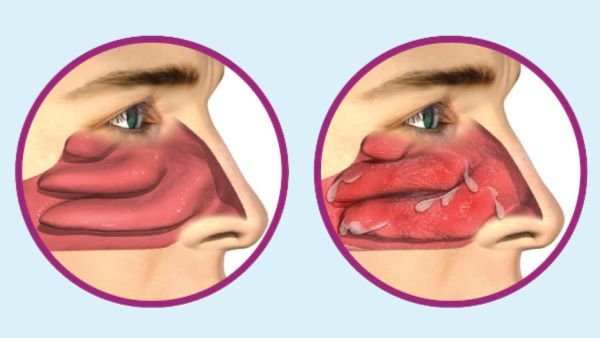
Allergic Rhinitis
Allergic rhinitis is a common medical ailment affecting millions worldwide. It characterizes a runny nose, sneezing, and itchy eyes and can significantly impact daily life, causing discomfort and interfering with work, sleep, and leisure activities.
This blog explores the causes, symptoms, and various allergic rhinitis treatment options.
What is Allergic Rhinitis?
Allergic rhinitis, commonly called hay fever, is an allergic reaction, These allergies are due to tiny particles in the air called allergens. When people breathe in these allergens through their nose or mouth, their body releases a natural chemical called histamine. This reaction causes a group of symptoms affecting the nose, including sneezing, nasal congestion, clear rhinorrhea (runny nose), and nasal pruritis (itching).
Symptoms of Allergic Rhinitis
The allergic rhinitis symptoms typically appear quickly after exposure to allergens and can persist as long as the person remains in contact with them.
The following are some of the most common symptoms of hay fever:
Nasal Issues:
- Runny nose with thin, watery discharge
- Nasal congestion (stuffiness)
- Sneezing
- Itchy nose
Eye Problems:
- Red, watery eyes
- Itchy eyes
- Swollen, bruised-appearing skin under the eyes (allergic shiners)
Throat and Mouth Discomfort:
- Itchy throat and roof of mouth
- Sore throat due to postnasal drip (mucus running down the back of the throat)
- Respiratory Symptoms:
- Coughing
- Wheezing
- Difficulty breathing
Other Symptoms:
- Headaches and sinus pressure
- Extreme tiredness (fatigue), often due to poor sleep
Causes of Allergic Rhinitis (Hay Fever)
Allergic rhinitis develops when the immune system overreacts to harmless airborne substances called allergens. This triggers an immune response, causing the release of natural chemicals, primarily histamine, into the bloodstream.
This histamine release leads to inflammation of the mucous membranes in the eyes, nose & throat, resulting in the characteristic symptoms of allergic rhinitis, such as sneezing, runny nose, and itchy eyes.
Several indoor and outdoor allergens can cause hay fever. Common triggers include:
- Pollen from trees, weeds, and plants
- Mould spores
- Pet dander
- Dust mites
- Cockroach droppings and saliva
- Seasonal variations
Risk Factors for Hay Fever
Several factors can increase an individual’s risk of developing allergic rhinitis. The following are some risk factors for hay fever:
People with a blood relative, such as a parent or sibling, who has allergies or asthma are more susceptible
Individuals with asthma or atopic dermatitis (eczema)
Living or working in an environment with constant exposure to allergens
Children whose mothers smoked during their first year of life have an increased risk of developing hay fever
The “hygiene hypothesis” suggests that lowering the exposure to microbes during early childhood may contribute to the development of allergic diseases, including hay fever.
Diagnosis
Diagnosing allergic rhinitis involves a comprehensive approach to identifying the specific allergens causing the symptoms, including:
The doctor starts with a physical examination and a detailed discussion of the patient’s health, symptoms, and potential triggers.
To confirm the diagnosis and arrive at the exact allergens responsible, doctors may recommend one or both of the following tests:
- Skin Prick Test
- Allergy Blood Test
For more complex cases, doctors may suggest additional diagnostic tests:
- Nasal Allergen Challenge (NAC)
- Basophil Activation Test (BAT)
- Olfactory Tests
- Quantification of Inflammatory Mediators
Treatment
Effective management of allergic rhinitis involves a combination of medications, immunotherapy, and lifestyle adjustments.
Allergic Rhinitis Medication
Antihistamines are often the first line of defence, blocking the effects of histamine released during allergic reactions.
Nasal corticosteroids are considered the most effective medications for many people with hay fever.
Decongestants provide short-term relief from nasal stuffiness and pressure
For severe cases, doctors may recommend oral corticosteroids like prednisone for short-term use
Immunotherapy
Immunotherapy either through injections (allergy shots) or sublingual tablets.